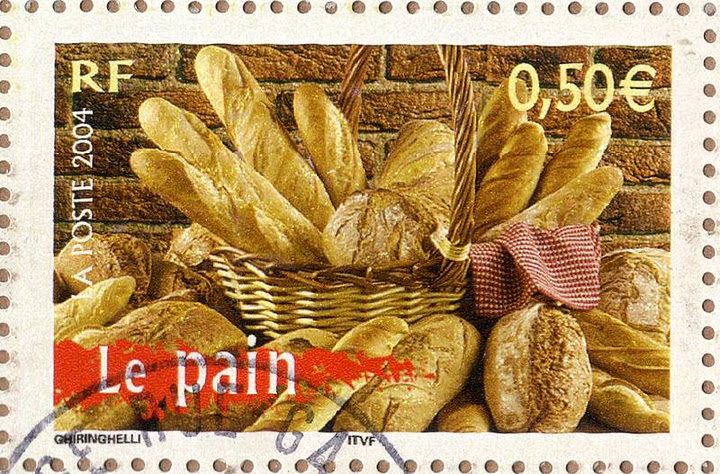
The Global Baguette: Exporting French Culinary Icon Worldwide
The quest for the perfect baguette – that quintessential loaf with its tantalizingly crispy crust and airy, open crumb – is a daily ritual for the French and a cherished aspiration for food lovers everywhere. While its origins are deeply rooted in French culinary tradition, this humble yet iconic bread has transcended borders, becoming a global ambassador for French gastronomy. But as this beloved culinary icon travels the world, the timeless question for connoisseurs and casual eaters alike remains: où trouver baguette – where to find that perfect loaf, a genuine piece of France, wherever you are?
From the bustling streets of Paris to the quiet corners of Tokyo, the baguette's journey has been one of both celebration and adaptation. It embodies a rich heritage of artisanal savoir-faire, a dedication to simple, quality ingredients, and a unique method of preparation that sets it apart. This article delves into the fascinating story of the baguette's global ascent, offering insights into how to identify genuine quality and embrace this French culinary treasure, no matter your location.
The Heart of French Culinary Identity: What Makes a Baguette Iconic?
At its core, the baguette is a testament to the magic that can be created with just four basic ingredients: flour, water, salt, and yeast. Yet, it's the complex interplay of these elements, combined with masterful technique, precise fermentation, and careful baking, that elevates it to an art form. A truly exceptional baguette boasts a deep golden, often blistered crust that crackles audibly when pressed, giving way to a soft, creamy interior riddled with irregular air pockets – the hallmark of proper fermentation and handling. Its flavour is subtle yet distinct, with notes of wheat, a hint of sweetness, and a pleasant tang.
In France, the distinction between a standard baguette and a "baguette de tradition" is crucial. The latter adheres to a strict code of conduct, mandating the use of only the four basic ingredients, forbidding additives, and prohibiting any form of freezing at any stage of its production. This commitment to purity ensures a product that is not only healthier but also vastly superior in taste and texture, justifying its slightly higher price point (around €1.24 in France, compared to €1.07 for a classic baguette). This dedication to authentic preparation is the very essence of what makes the baguette a symbol of French daily life, enjoyed from breakfast to dinner.
Navigating the Global Quest: Où Trouver Baguette Beyond France?
For those asking themselves, où trouver baguette outside of France, the answer is increasingly positive, thanks to a new generation of "missionaries of bread" like Eric Kayser. Descending from a lineage of bakers in Lorraine, Kayser has transformed his family's legacy into a global phenomenon, establishing over 60 bakeries in France and a staggering 250 worldwide, including more than 40 outlets in Japan alone. His success story exemplifies the passionate pursuit of exporting French baking excellence across continents.
However, exporting such a culturally specific food is not without its challenges. Kayser himself noted, "We had to almost impose our baguette in certain countries." This "hard-crusted bread" is distinctly French, a fact not always appreciated by diverse consumer profiles. In Asia, for instance, where steamed bread is culturally prevalent and palates are accustomed to softer textures, the firm crust of a baguette initially proved to be an obstacle. The solution often lay in adaptation – introducing the baguette through sandwiches, showcasing its versatility and delicious interplay with other ingredients. This strategic integration allowed local populations to gradually discover and fall in love with its unique characteristics, proving that with careful cultural understanding, the French baguette can indeed find a home anywhere.
Deciphering Quality: How to Find the Best Baguette, Anywhere
Whether you're strolling through a Parisian arrondissement or exploring an international food market, knowing how to identify a quality baguette is paramount. The principles remain consistent, rooted in the traditional French baking ethos. When you find yourself pondering, où trouver baguette de qualité, consider the source and the characteristics of the bread itself.
Artisan vs. Supermarket: A Global Perspective
The dichotomy between artisan bakeries and large supermarkets, prevalent in France, largely translates globally. Artisan bakeries, often independent and run by passionate bakers, practice methods involving careful kneading and lengthy fermentation. They bake bread from scratch on-site, ensuring freshness and freedom from additives. In contrast, many supermarket baguettes, both in France and abroad, are often "terminal breads" – baked on-site from frozen dough pre-made elsewhere. While convenient and cheaper (around €0.60 in French supermarkets), this method often compromises texture and flavour. Some larger international supermarkets might invest in dedicated in-store bakeries that rival smaller artisans, but generally, independent bakeries offer a superior, more authentic product.
Key Indicators of Quality:
- Appearance: Look for a deep golden to amber crust, often dusted lightly with flour. The surface should have an irregular, slightly rough texture, with characteristic scoring marks that have opened up during baking.
- Sound: A truly fresh, well-baked baguette will emit a distinct crackling or rustling sound when gently squeezed. This indicates a perfect crust.
- Smell: Bring it close to your nose. A good baguette should have an inviting aroma of wheat, yeast, and a hint of a nutty, caramelised scent from the crust.
- Touch & Feel: It should feel light for its size, indicating a well-aerated crumb. When sliced, the interior should be creamy white with an irregular, open structure of air pockets – not dense or uniform.
- Ingredients: While not always visible, inquire about ingredients. Prioritize baguettes made with simple, natural components. The "baguette de tradition" concept, though French-specific, highlights the value of natural ingredients and additive-free baking. Organic baguettes, using sustainably farmed wheat, also offer a premium, healthier option, though they might be slightly more expensive (around €1.27 for organic in French supermarkets).
Tips for the Enthusiast: Mastering Your Baguette Hunt
For the ardent admirer of French bread, mastering the art of the baguette hunt is a rewarding endeavour. Here are some actionable tips, whether you're abroad or exploring your local options:
- Seek Out Artisan Bakers: Prioritize independent bakeries over large chains or supermarket sections. These are where the true "savoir-faire" resides. Look for bakeries that proudly display their baking process or mention using traditional methods.
- Ask for Recommendations: Locals, especially in areas with a strong food culture, are your best resource for finding hidden gems. Don't hesitate to ask hotel staff, shopkeepers, or even other customers.
- Observe the Display: A baker who cares about their craft will arrange their baguettes artfully, highlighting their golden crusts and inviting shapes. Rapid turnover of fresh loaves throughout the day is another good sign.
- Taste Test (if possible): If a bakery offers samples, take advantage of it. Pay attention to both crust and crumb texture, as well as the overall flavour profile.
- Embrace "Baguette de Tradition" Principles: Even if a bakery outside France can't legally use the French "tradition" label, inquire if they follow similar principles – no additives, long fermentation, baked on-site.
- Don't Fear the Price Difference: A slightly higher price often reflects superior ingredients, craftsmanship, and a commitment to traditional methods. It's an investment in a genuinely authentic experience.
- Consume Fresh: The magic of a good baguette is its ephemeral freshness. It's best enjoyed within hours of baking. Buy it, tear into it, and savour it immediately.
For a deeper dive into evaluating baguettes, check out our guide on French Baguette: Decoding Quality & Value in Artisan vs. Supermarket. And to truly master the art of selection, don't miss Beyond Price: How to Spot a Truly Authentic French Baguette.
Conclusion
The global journey of the French baguette is a testament to its enduring appeal and the universal language of good food. From being a daily staple in France to an increasingly sought-after culinary icon across continents, its presence reflects a growing appreciation for artisanal quality and authentic flavours. Ultimately, whether you're in a bustling Parisian boulangerie or a sophisticated bakery in New York, the principles of où trouver baguette (where to find a good baguette) remain the same: seek out freshness, understand the importance of traditional methods, and appreciate the passion of the baker. In every crackle of its crust and chew of its airy interior, the baguette offers more than just bread – it offers a taste of France, a cultural experience, and a reminder of the simple beauty of culinary mastery.